
Sea Freight Import in Vietnam in the Digital 4.0 Era
Contents
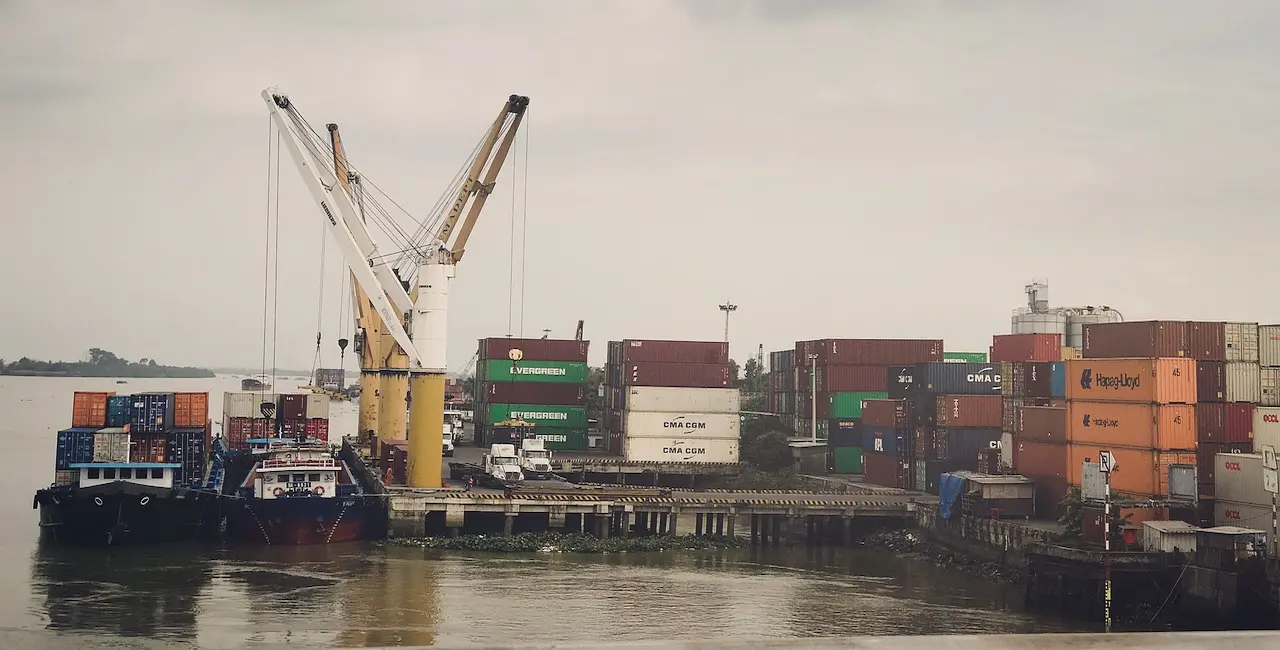
In the context of a globalized economy, Vietnam is rapidly rising to become one of the leading industrial manufacturing hubs in the region. To maintain a continuous supply chain, importing goods—especially raw materials and machinery—plays a vital role for factories. The shift to the Logistics 4.0 era requires businesses not only to transport goods faster but also smarter, optimizing costs and fully embracing digitalization.
This article will provide you with a comprehensive guide to the process of importing goods by sea in Vietnam, combined with modern warehousing strategies to help your factory accelerate growth.
What is Sea Freight Import?
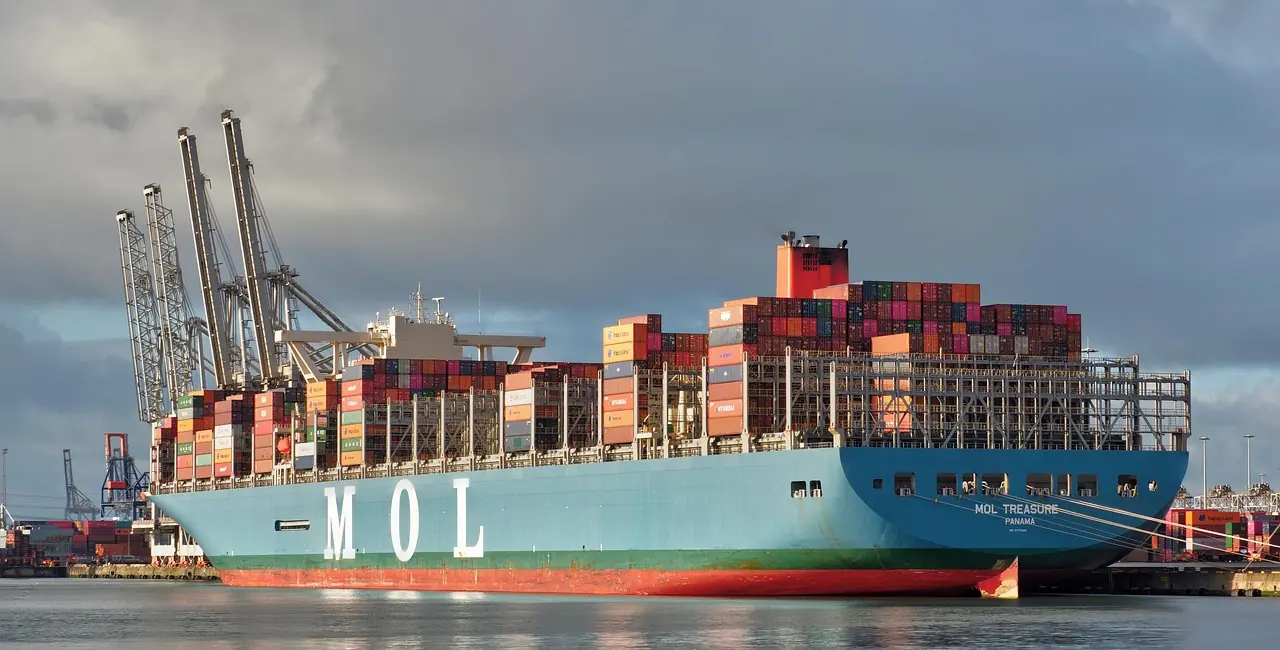
Importing goods by sea is the transportation of goods from foreign countries into Vietnam’s territory via ocean shipping networks and international seaports. This is the most common transportation method in international trade, accounting for over 80% of global freight volume thanks to its low cost and capacity to carry massive, heavy shipments.
For factories in Vietnam, this is the primary channel for importing machinery and raw materials from markets like China, Japan, South Korea, and Europe.
Why is Sea Freight the Lifeblood of Logistics 4.0 in Vietnam?
In the Logistics 4.0 era, importing goods by sea is not just about physical transport; it is also about the integration of data flows, transparency, and automation. Notably, Vietnam is currently benefiting greatly from new-generation Free Trade Agreements (FTAs) such as EVFTA, CPTPP, and RCEP. These agreements not only help reduce tariff barriers but also open up opportunities to import high-quality raw materials at optimal costs.
However, to fully leverage these FTAs, the flow of goods from the seaport to the factory warehouse must be incredibly smooth, strictly complying with origin standards and electronic customs procedures.
Common Types of Sea Freight
When importing goods, businesses need to choose the right packing method to optimize their budget:
- FCL (Full Container Load): The shipper rents an entire container specifically for their own goods. This is the best choice for large shipments, ensuring high safety and shortening processing times at the port.
- LCL (Less than Container Load): If your cargo is not large enough to fill an entire container, it will be consolidated (shared) with goods from other shippers. LCL saves costs for small and medium-sized enterprises but requires a more complex sorting process.
The Guide to Importing Goods by Sea in Vietnam
To safely bring a shipment from another country right to your factory warehouse in Vietnam, while strictly complying with the law and optimizing time, businesses need to clearly understand the following standard process:
Step 1: Sign the Commercial Contract
The foundational first step is negotiating and signing a commercial contract between the Vietnamese business and the exporting partner. The contract needs to detail Incoterms (like FOB, CIF, EXW…), prices, quality standards, payment methods, and delivery times. These terms will determine which party is responsible for booking the ship, paying for insurance, and managing risks during the import process.
Step 2: Apply for an Import License and Prepare Documents
Before the goods are loaded onto the ship, businesses need to check if their items require a specialized import license (e.g., chemicals, medical equipment, food…). At the same time, the importer needs to ask the seller to provide a complete set of valid documents, including:
- Commercial Invoice
- Packing List
- Bill of Lading (B/L)
- Certificate of Origin (C/O) to enjoy tariff preferences.
Step 3: Book the Ship and Track the Journey
Based on the agreed Incoterms, the buyer or seller will contact the shipping line or Freight Forwarder to get a Booking (container release order) and schedule the cargo loading. In the Logistics 4.0 era, factories can easily use software to track the shipping schedule in real-time, allowing them to proactively plan for receiving the goods and preparing the warehouse.
Step 4: Electronic Customs Declaration (VNACCS) and Tax Payment
When the ship arrives at major ports in Vietnam (Cat Lai, Hai Phong, Cai Mep – Thi Vai…), the business submits a customs declaration through the General Department of Customs’ VNACCS/VCIS software system. Accurate data entry and compliance on the VNACCS system are mandatory for fast customs clearance. After the declaration is channeled (Green, Yellow, or Red) and the corresponding inspection steps are completed, the business pays the required taxes (import tax, VAT…) to release the goods.
Step 5: Pick Up Goods and Transport to the Factory
Once customs procedures are cleared, the container will be transported by truck from the port to the factory warehouse. Here, the process of unloading, tallying, and allocating goods to the storage system begins. This step requires a scientifically organized warehousing system to receive a large volume of goods in the safest way possible.
UPR Pallet Rental Service: The Standard for Modern Vietnamese Factories
In the Logistics 4.0 era, optimizing sea freight is not enough if the warehousing and operations at the factory are still manual and costly. The biggest bottleneck in a modern factory often lies in the most basic element: the pallet.
- The Asset Burden: Buying and maintaining a private fleet of pallets wastes valuable resources for businesses that need to focus their capital entirely on manufacturing.
- The Solution from UPR: Our Pallet Rental system is built on the “Asset-Light” model—a core trend of Logistics 4.0.
- Ensuring Export Standards: Every UPR pallet strictly complies with the ISPM 15 standard. This means your raw materials are placed on pallets that are fully qualified for immediate export. This “One-Pallet Solution” minimizes intermediate handling, reduces product damage, and ensures your warehouse operations meet the strictest international standards for safety and hygiene.
Contact us for more information about our Pallet Rental service
Cho thuê Pallet và Kệ | Công ty TNHH UPR Việt Nam > Columns > Logistics > Sea Freight Import in Vietnam in the Digital 4.0 Era
 Zalo
Zalo  Contact Us