
Wooden Pallets: The strategic link in Vietnam’s Supply chain and Logistics
Contents
As Vietnam proudly cements its position as the new “factory of the world,” the humble wooden pallet has evolved from a simple transport platform into a true strategic asset. Choosing and managing the right pallets directly impacts your operational efficiency, cargo safety, and your business’s ability to smoothly reach international markets.
1. What Exactly is a Wooden Pallet? A Quick Technical Overview
In simple terms, a wooden pallet is a flat structure designed to group goods together, making it incredibly easy to load, unload, and transport them using a forklift or pallet jack.
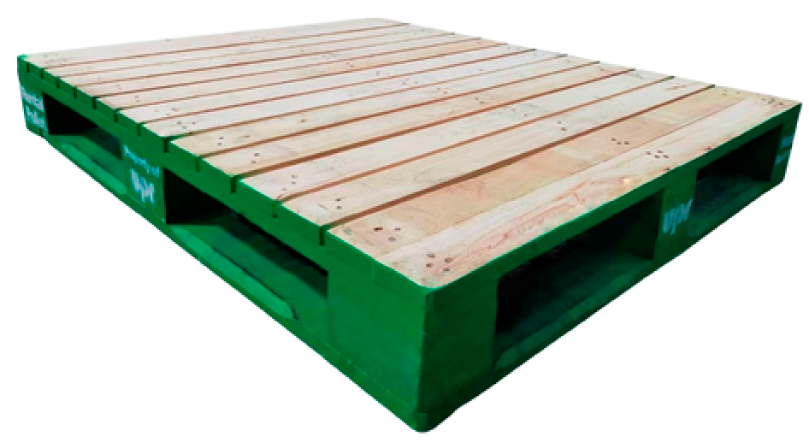
Standard construction includes:
- Top Deck: The flat, upper surface that directly holds your goods.
- Stringers/Blocks: The sturdy core that bears the weight and creates the necessary clearance for forklift tines to slide under.
- Bottom Deck: The base that helps distribute weight evenly and adds stability when stacking pallets.
- Fasteners: Specialized spiral or coil nails that hold everything tightly together, ensuring the pallet won’t warp or break under heavy loads.
2. Exploring the Types of Wooden Pallets on the Market
To save on costs and maximize your warehouse space, it’s helpful to understand the different pallet classifications available:
By Operational Design
- Two-way Entry Pallets: Forklifts can only access these from two opposing sides. They boast a very solid structure and can handle massive static weights.
- Four-way Entry Pallets: Forklifts can enter from all four sides, offering ultimate flexibility in tight warehouses or when loading containers.
- Single Deck Pallets: Featuring a top deck only, these are lightweight, cost-effective, and perfect for lighter loads.
- Double Deck (Reversible) Pallets: Both the top and bottom decks can hold goods. They are highly durable and usually reserved for extra-heavy or oversized shipments.
By Global Standards (ISO 6780)
Using standardized pallets is a smart move to prevent delays when unloading at international ports:
- European Standard (Euro Pallet – EPAL): Measures 800 x 1200 mm. This is a strict requirement for goods exported to the EU.
- American Standard (GMA): Measures 1219 x 1016 mm (48×40 inches). This size dominates global trade, especially in North America.
- Asian Standards: Typically 1100 x 1100 mm (very popular in Japan and South Korea) or 1000 x 1200 mm.
By Wood Material in Vietnam
- Acacia Wood: The undisputed “king” of pallets in Vietnam. It offers high hardness, dries quickly, resists mold naturally, and comes at a highly competitive price thanks to abundant local supply.
- Pine Wood: Loved for being lightweight with a beautiful grain. It’s excellent for premium export goods but requires careful treatment to prevent mold.
- Rubberwood: Durable and highly resistant to warping, making it a fantastic alternative for specialized product categories.
3. The ISPM 15 Standard: Your Global Export “Passport”
If you are exporting goods, complying with the ISPM 15 standard (International Standards for Phytosanitary Measures No. 15) for wood packaging is an absolute must.
- Heat Treatment (HT): The wood is heated until its core reaches at least 56°C for 30 minutes, effectively destroying any pests. This is the cleanest and most preferred method worldwide.
- Fumigation (MB): Uses Methyl Bromide gas. While effective, this method is gradually being phased out globally due to environmental concerns.
For Vietnamese exporters, “Heat Treated” (HT) pallets are a requirement, not an option. Compliance with ISPM 15 ensures that your wooden packaging is free from pests, allowing for smooth passage through international customs.
4. Why Are 1000 x 1200 mm Pallets So Popular in Vietnam?
Vietnam is a powerhouse for exporting agricultural products, electronics, and chemicals. Relying on these specific pallet sizes brings three core advantages:
- Container Compatibility: These sizes perfectly maximize floor space in standard 20ft and 40ft shipping containers, minimizing cargo shifting during transit.
- Supply Chain Harmony: They fit perfectly into the racking systems and logistics infrastructure of major markets like the US, China, and Southeast Asia.
- Cost Optimization: Thanks to the rich local supply of Acacia wood and skilled labor, these standard wooden pallets are incredibly cost-effective to produce right here in Vietnam.
UPR’s Solution: Leading the Way with Pallet Rental service
In the Logistics 4.0 era, forward-thinking companies are shifting from “owning” to “using” to keep their cash flow healthy and operations lean.
- The “Asset-Light” Model: Instead of sinking heavy capital into buying and maintaining pallets, UPR’s rental service allows you to turn large upfront costs (CAPEX) into flexible operational expenses (OPEX).
- Smart Inventory Flow: Our system handles the entire process of issuing, collecting, and repairing pallets. You get to focus 100% on manufacturing, while UPR ensures your warehouse is always stocked with high-quality, ISPM 15-certified pallets.
- Sustainable Growth: Reusing and sharing pallets (Pallet Pooling) significantly cuts down on wood waste, directly supporting your company’s ESG (Environmental, Social, and Governance) goals.
Contact us for more information
Cho thuê Pallet và Kệ | Công ty TNHH UPR Việt Nam > Columns > Logistics > Wooden Pallets: The strategic link in Vietnam’s Supply chain and Logistics
 Zalo
Zalo  Tel
Tel  Contact Us