
Air Freight Imports in Vietnam’s Logistics 4.0 Era
Contents
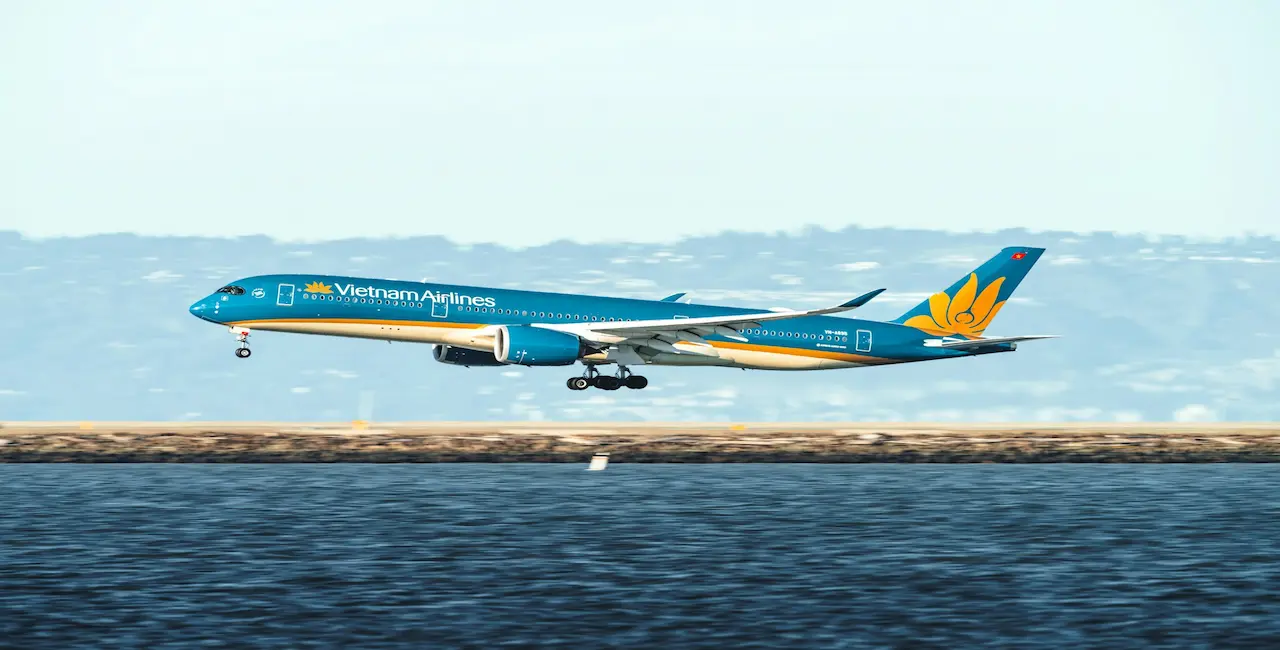
In Vietnam’s modern industrial landscape—especially in high-tech, medical devices, and electronics—speed is the ultimate competitive advantage. To meet strict production deadlines and shorten Time-to-Market, air freight has become an essential part of the supply chain for many businesses.
In the era of Logistics 4.0, this import process requires high digitalization, accuracy, and seamless data flow from international transport to factory warehousing. This guide provides a detailed look at the air freight import process in Vietnam to help your factory stay efficient and compliant.
What is Air Freight Import?
Air freight import is the transport of goods from overseas into Vietnam via aircraft (either Passenger Aircraft or dedicated Freighters). Most shipments land at major international airports such as Noi Bai (HAN), Tan Son Nhất (SGN), or Da Nang (DAD).
While air freight is more expensive than sea freight, its speed and high security make it the top choice for:
- Emergency spare parts: AOG (Aircraft on Ground) or critical production line components.
- High-tech components: Electronics, microchips, and semiconductors.
- Healthcare: Pharmaceuticals and medical supplies requiring temperature control.
- Luxury goods: High-value items.
Distinguishing Air Courier vs. Air Cargo
To choose the best solution for your budget, it is important to understand these two types of services:
- Air Courier (Express): Door-to-Door service provided by global companies like DHL, FedEx. Best for small shipments (usually under 45kg), samples, or documents. The courier handles everything, including customs clearance, and delivers directly to your factory.
- Air Cargo: Airport-to-Airport service via Freight Forwarders. Best for larger, bulkier shipments (over 45kg). This process is more complex, requiring the buyer or seller to arrange customs clearance and pickup at the airport terminal.
The Benefits of Air Freight in Logistics 4.0
- Time Optimization: Transit times are measured in hours or days, allowing factories to react immediately to production changes.
- Maximum Security: Strict airport security reduces the risk of damage or theft for expensive components.
- Reduced Inventory Costs: With fast delivery, factories can use Just-In-Time (JIT) models, reducing the need for large safety stocks and saving warehouse space.
The Process for Air Cargo Import in Vietnam
To ensure your goods reach the factory quickly and without extra storage fees, follow these 7 standard steps:
Step 1: Sign the Sales Contract
Negotiate key terms including price, Incoterms (commonly FCA, CIP, or DAP for air), and delivery dates. In the digital age, e-contracts help partners finalize deals quickly and securely.
Step 2: Apply for Specialized Import Licenses
Check your HS Codes early to see if your goods require special permits (e.g., for chemicals or medical equipment). Applying via the Vietnam National Single Window (VNSW) before the flight avoids expensive storage delays at the airport.
Step 3: Booking and Transport to the Airport
Your Forwarder books space with the airline. The cargo is moved to the departure terminal, goes through X-ray security, and is loaded into ULDs (Unit Load Devices). You can track the shipment’s status in real-time via the Airway Bill (AWB).
Step 4: Flight Tracking and Document Check
Because flights are fast (1–3 days), the exporter must send “soft copies” of the Invoice, Packing List, C/O, and AWB immediately. Check these documents carefully to ensure all data is correct before submitting the customs declaration.
Step 5: Arrival Notice and Electronic Delivery Order (e-D/O)
Once the plane lands, the Forwarder sends an Arrival Notice. You will pay local fees to receive the Delivery Order (D/O). In Logistics 4.0, most agents now issue an e-D/O via email, which is the digital key needed to pick up your goods.
Step 6: Electronic Customs Declaration (VNACCS/VCIS)
Submit your data through the VNACCS/VCIS system. High-tech goods from trusted partners often fall into the “Green Lane,” meaning automatic clearance in minutes. “Yellow” or “Red” lanes require a document review or physical inspection at the terminal.
Step 7: Customs Clearance and Factory Delivery
Bring your cleared declaration barcode and e-D/O to the airport terminal (TCS, NCTS, etc.) to pay terminal fees. Once the customs officer scans the barcode for final release, the goods are loaded onto a truck and rushed to your factory.
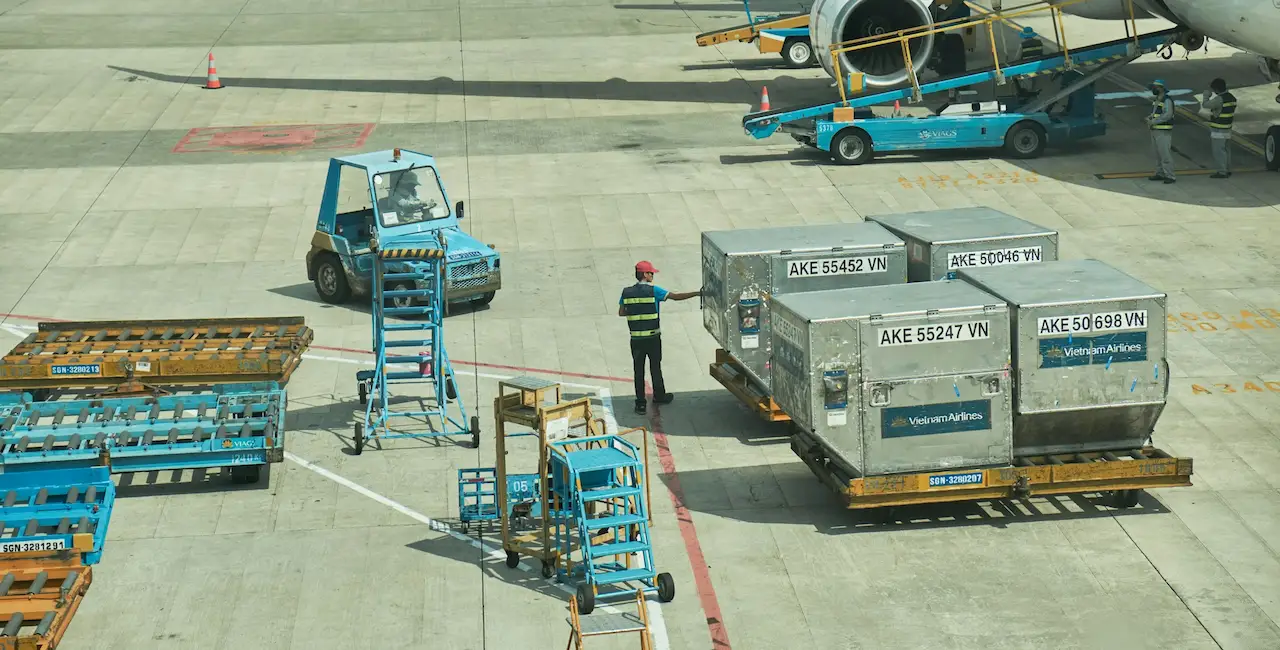
UPR Solutions: Smart Storage for Modern Factories
High-speed imports require a smart warehouse. To help you manage high-value goods without heavy investment, UPR Viet Nam offers professional Pallet and Racking Rental services. Our flexible solutions allow you to easily scale your storage space up or down based on your actual needs.
Contact UPR Viet Nam today for more information and expert advice on the best storage solutions for your factory!
Cho thuê Pallet và Kệ | Công ty TNHH UPR Việt Nam > Columns > Logistics > Air Freight Imports in Vietnam’s Logistics 4.0 Era
 Zalo
Zalo  Contact Us