
What is a Plastic Pallet? Classification, Load Capacity, and How to Choose for Each Warehouse Type
Contents
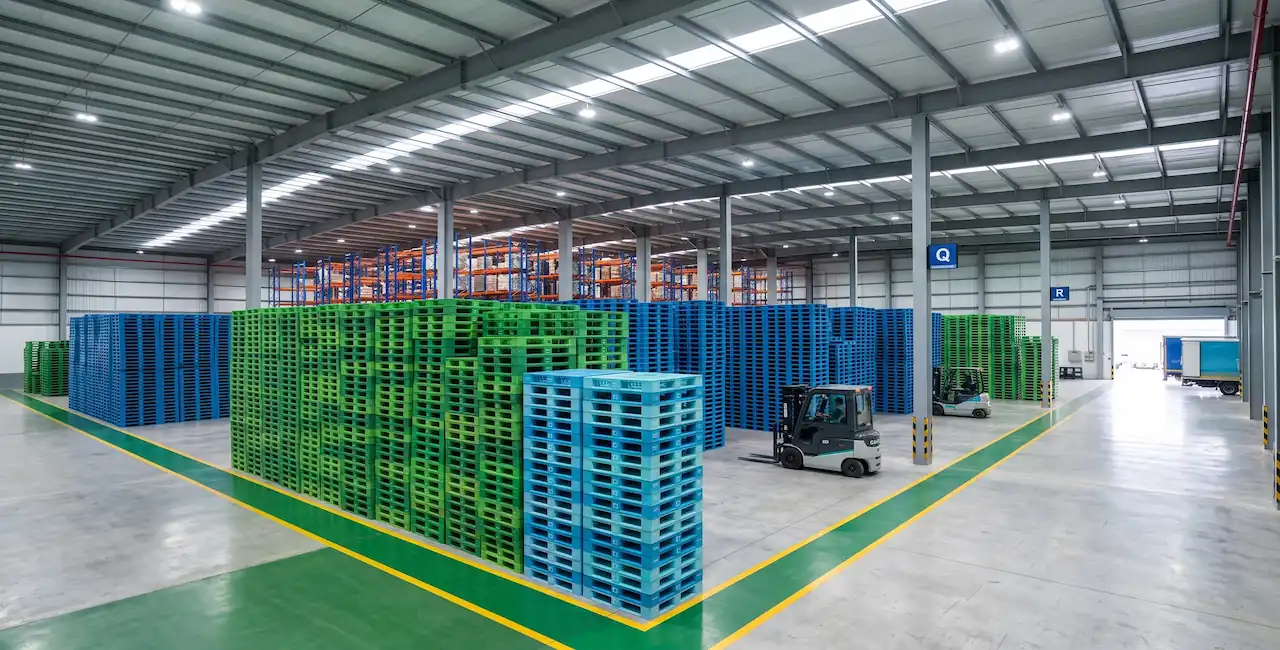
In the current context of supply chain optimization, plastic pallets are gradually replacing traditional wooden pallets thanks to their high durability, hygiene, and excellent reusability. If you are looking for a safe and cost-effective cargo storage solution, understanding the types of plastic pallets and how to select them based on load capacity is crucial.
The following article from UPR Vietnam will help you understand everything in detail, from the concept and classification to the most accurate way of choosing to buy plastic pallets for each warehouse system.
1. What is a plastic pallet?
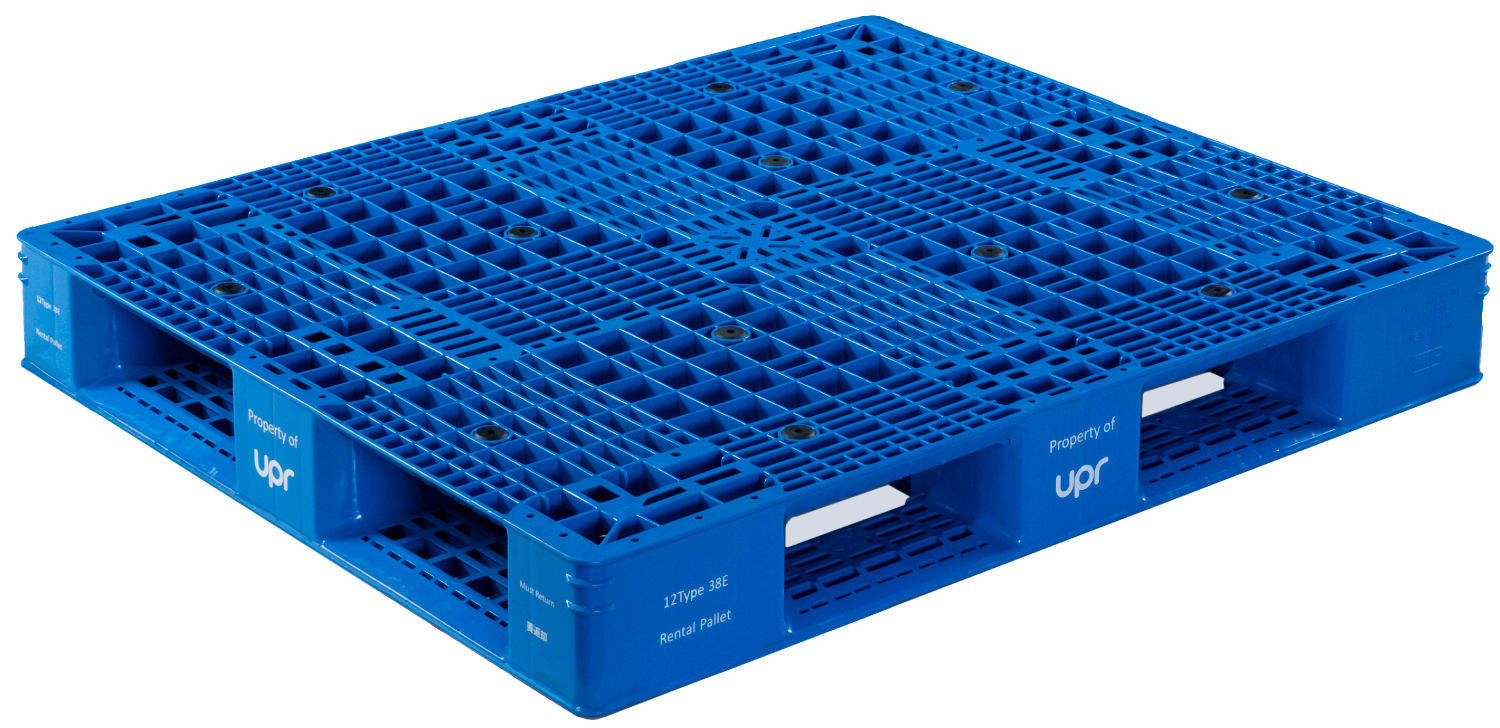
A plastic pallet is a flat tray-like structure, either molded as a single solid piece or assembled from specialized industrial plastics such as HDPE (High-Density Polyethylene) or PP (Polypropylene). They are used as a base layer for stacking, storing, and transporting goods with the assistance of hand pallet trucks, forklifts, or automated conveyor systems.
Compared to wooden pallets, plastic pallets are completely resistant to termites and water, easy to clean, and do not require fumigation treatment (ISPM-15) for export, helping businesses save significant time and costs.
2. Common types of plastic pallets on the market
The market currently offers a wide variety of plastic pallets to meet different goods circulation needs. Basically, they are divided into the following main groups:
Classification by usage surface
-
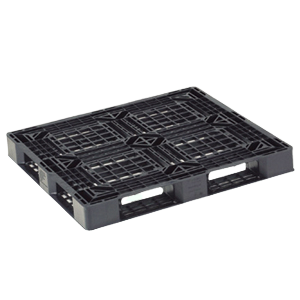
Single-faced plastic pallets: This type has only one flat surface for stacking goods; the other side consists of load-bearing legs (often in the form of 9 legs, 3 cross legs, or hollow legs). This line is very popular for warehouse floor lining, one-way export, or use with hand pallet trucks.
-
Double-faced plastic pallets: The design of both the top and bottom surfaces is identical, and both can be used for stacking goods. This structure helps distribute weight evenly, withstands extremely heavy loads, and is often preferred for stacking goods or placing on high racking systems.
Classification by design structure
-
One-piece (Solid) pallets: Injection molded from a single block of plastic (usually HDPE). This type features very high rigidity, a long lifespan, and excellent impact resistance, making it suitable for heavy-load warehouses and continuous circulation.
-
Assembled pallets: Constructed from separate parts assembled together. When a part is damaged (e.g., a broken base leg), you can easily replace that specific part instead of discarding the entire pallet, helping to optimize maintenance costs.
3. Understanding load capacity: Dynamic load and Static load
To ensure the safety of goods and warehouse racking systems, managers need to clearly distinguish the following core technical parameters:
| Parameter | Definition | Practical Meaning |
| Static Load | The maximum weight a pallet can bear when placed stationary on a flat floor. | Determines how much cargo you can stack on the pallet for ground storage. This parameter is usually very high (from 1000kg to 4000kg). |
| Dynamic Load | The maximum weight a pallet can bear while being moved by a forklift or conveyor belt. | A vital safety factor when lifting and lowering goods. The dynamic load is always lower than the static load (usually from 500kg to 1500kg). |
| Racking Load | The load-bearing capacity when the pallet is placed on a warehouse racking system without floor support underneath. | The lowest but most important parameter if your warehouse uses a Racking system. It is mandatory to choose a pallet with a steel core or a special design. |
4. How to choose the right plastic pallet for each warehouse type
Choosing the wrong plastic pallet not only wastes budget but also poses a risk of goods collapsing. Here is the right way to choose for each scenario:
-
Standard ground storage warehouse: If you only need floor lining for moisture protection, choose single-faced plastic pallets, which are lightweight and low-cost.
-
Stacking warehouse: When you need to stack a pallet directly on top of the goods of the pallet below (e.g., packaging, flour, or rice warehouses), double-faced plastic pallets are a mandatory choice to distribute weight and avoid damaging the goods below.
-
Cold storage warehouse (-20°C to -40°C): In deep-freeze environments, standard plastics will become brittle and easily breakable. It is imperative to use one-piece molded pallets made from virgin HDPE plastic, which can maintain good elasticity at low temperatures.
-
Racking warehouse (Selective, Drive-in): When lifted high, pallets will bend if not rigid enough. It is necessary to choose heavy-duty pallet lines, prioritizing those with integrated steel cores inside to prevent sagging.
5. Comprehensive Logistics Solutions from UPR Vietnam
As a leading provider of logistics equipment in the Asian market, UPR Vietnam brings your business the most effective budget optimization solutions:
-
Outstanding quality: Providing a diverse range of pallets made from high-grade HDPE/PP materials, perfectly withstanding static and dynamic loads, and meeting all the strict requirements of cold storage, food, and pharmaceutical warehouses.
-
Flexible rental services: Helping businesses solve the problem of equipment shortages during peak seasons without needing to invest in new purchases.
-
Breakthrough Buy-Back Model (Repurchasing export plastic pallets): For exported goods, UPR provides a pallet repurchasing model at the destination in many Asian countries. Your business not only avoids disposal fees but also receives a “Cash-back”, while simultaneously complying with green environmental standards (ESG).

Contact UPR Vietnam to get a quote for Plastic Pallets today:
-
Address: 5th Floor, Miss Ao Dai Building, 21 Nguyen Trung Ngan, Sai Gon Ward, HCMC
-
Hotline: 09-6144-4784 (Contact via Zalo)
-
Website:
https://www.upr-vietnam.vn
Cho thuê Pallet và Kệ | Công ty TNHH UPR Việt Nam > Columns > Logistics > What is a Plastic Pallet? Classification, Load Capacity, and How to Choose for Each Warehouse Type
 Zalo
Zalo  Tel
Tel  Contact Us